
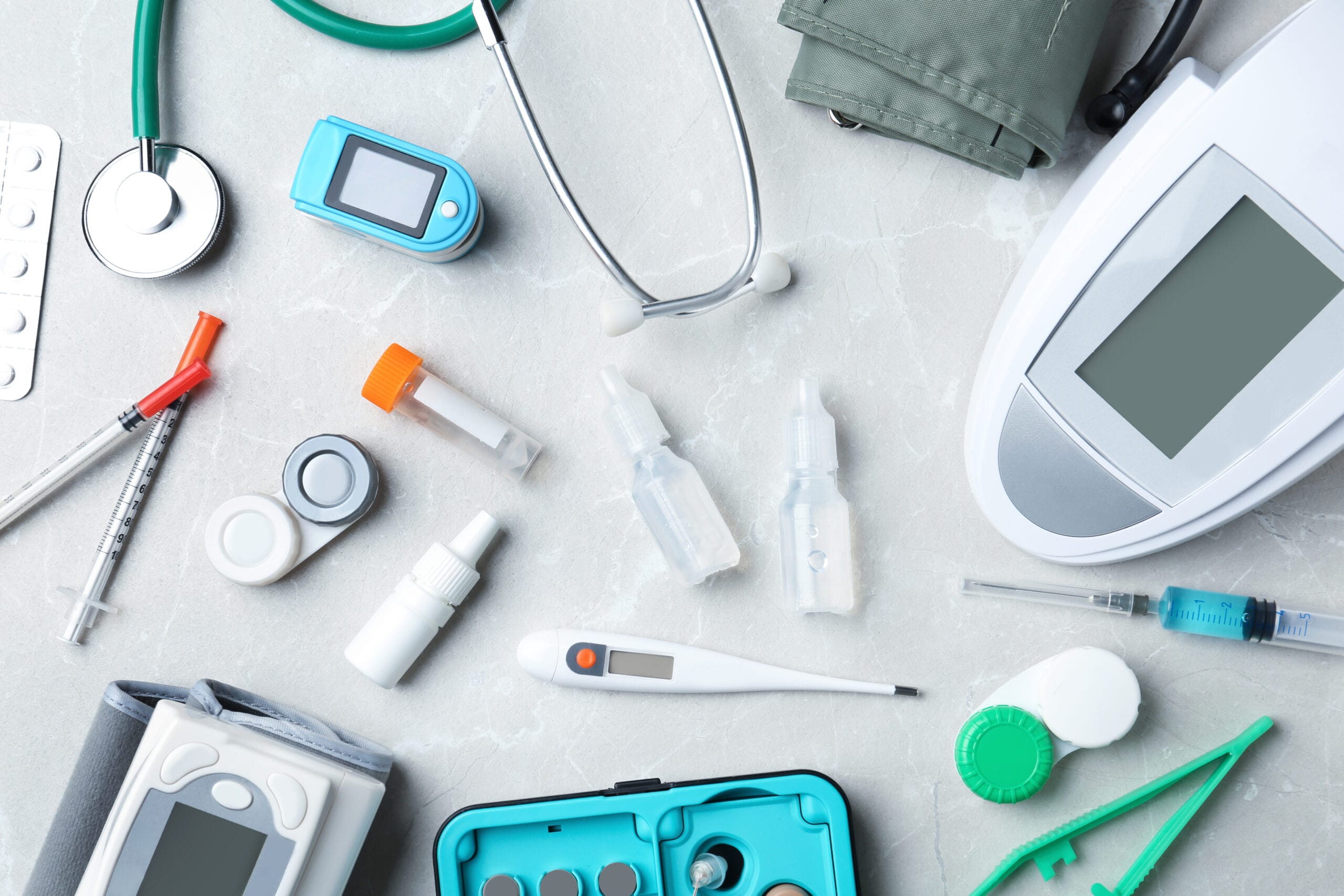
If you are a medical device manufacturer, importer, or distributor operating in Malaysia, understanding the country’s device classification system is the foundation of your entire regulatory strategy. Get it wrong, and you risk delays, rejection, or even legal penalties. Get it right, and you unlock a smoother path to market in one of Southeast Asia’s fastest-growing healthcare sectors.
In Malaysia’s regulatory system, classification isn’t just a label, it determines how your product will be reviewed, what documents you’ll need, and how long the process will take as part of the medical device registration in Malaysia process.
Why Medical Device Classification Matters
Classification is the critical first step in the Malaysian medical device registration process. The class assigned to your device determines:
- The conformity assessment route your device must follow
- The type of technical documentation required
- The timeline and cost of registration
- Post-market surveillance obligations
- Whether a Conformity Assessment Body (CAB) audit is needed
In short, misclassifying your device whether intentionally or accidentally can derail your entire market entry plan. Manufacturers and importers must classify their devices correctly before applying for registration through the MDA’s online portal, the MeDC@St system.
The Four Medical Device Classes in Malaysia
Malaysia uses a four-tier, risk-based classification system aligned with ASEAN guidelines and regulated by the Medical Device Authority (MDA). Class A represents the low risk, Class B represents low-moderate risk, Class C represents moderate-high risk and Class D represents the high risk. The classification is determined by factors including:
- The intended purpose of the device
- The duration of contact with the body (transient, short-term, long-term)
- The degree of invasiveness (non-invasive, invasive, surgically invasive)
- Whether the device is active or non-active
- Whether the device incorporates a medicinal substance, biological material, or is derived from animal tissue
Class A Devices (Low Risk)

Class A devices are considered low risk. They are typically non-invasive, do not come into direct contact with the patient, or have a very limited and superficial interaction with the body. These devices rarely cause harm when used as intended. These products typically require simpler documentation, may not need extensive review and have faster approval timelines. However, low risk doesn’t mean no rules. Compliance is still required, just less intensive.
Examples of Class A Devices
- Bandages and wound dressings (non-medicated)
- Examination gloves (non-sterile)
- Tongue depressors
- Hospital beds and patient trolleys
- Spectacles and corrective lenses (non-custom)
- Stethoscopes
- Manual wheelchairs
- Thermometers (non-invasive, external)
- Urine collection bags
Class B Devices (Low–Moderate Risk)
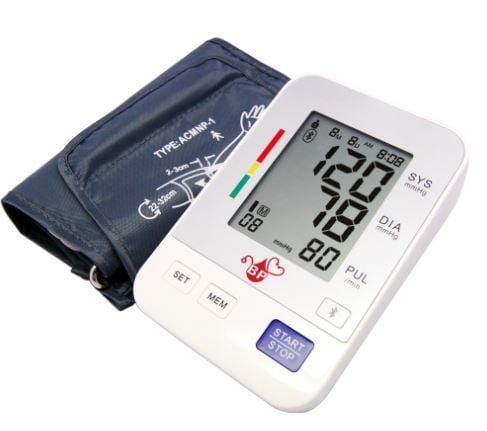
Class B devices carry a low to moderate risk profile. They typically involve limited invasiveness or contact with the body and are used in less critical clinical contexts than higher-class devices. Compared to Class A, these devices require more detailed documentation, often go through additional review steps and may involve conformity assessment.
Examples of Class B Devices
- Hypodermic needles and syringes (without medication)
- Non-absorbable sutures
- Blood glucose monitoring meters (for self-testing)
- Hearing aids
- Ultrasound gel
- Dental filling materials
- Nasal cannulas and oxygen masks
- Contact lenses (short-term use)
- Simple surgical instruments (scalpels, forceps)
- Pregnancy test kits
Class C Devices (Moderate–High Risk)
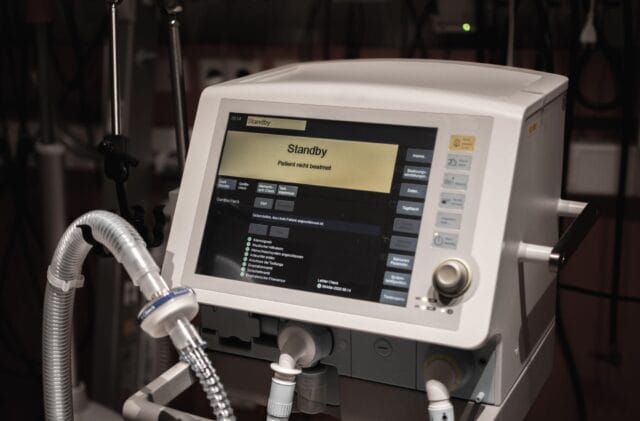
Class C devices are moderate to high risk. They are often used in more invasive procedures, in direct and prolonged contact with vital organs or the circulatory system, or involve life-supporting functions. At this stage, the regulatory process becomes more structured and mistakes in classification can lead to significant delays.
Examples of Class C Devices
- Lung ventilators
- Haemodialysis machines
- Bone fixation devices (internal, load-bearing)
- Long-term implantable devices (non-cardiac)
- Drug-eluting stents
- Infusion pumps
- Implantable hearing devices
- High-energy surgical lasers
- Blood bag systems
Class D Devices (High Risk)
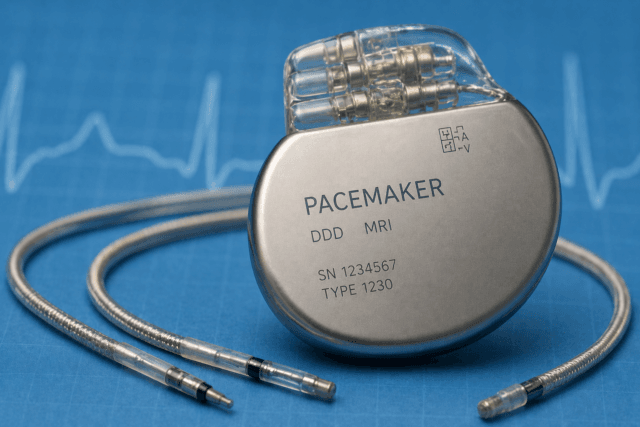
Class D devices represent the highest risk in the Malaysian classification system. These are devices where failure could directly result in serious patient injury or death, or where they are used in life-critical situations with no alternative treatment available. Approval timelines are longer.
Examples of Class D Devices
- Cardiac pacemakers and implantable defibrillators
- Heart valves (mechanical and biological)
- Cochlear implants
- Spinal cord stimulators
- Implantable cardioverter-defibrillators (ICDs)
- Total artificial hearts
- HIV diagnostic kits (blood supply screening)
- Absorbable sutures for central nervous system use
Common Mistakes in Classification
Even experienced manufacturers don’t always get classification right and that’s completely understandable. The rules can look straightforward on paper, but once you start applying them to real products, things get tricky. A small oversight at this stage can lead to delays, additional costs, or even having to restart the submission process. These issues often affect the entire medical device registration in Malaysia.
Misclassifying the Risk Level
At first glance, a device may appear low-risk. But classification isn’t based on appearance, it’s based on how the device interacts with the human body and the level of potential harm it could cause.
For example, a simple-looking device might deliver substances into the body, be used repeatedly over time and support a diagnostic decision. Each of these factors can push it into a higher risk category. This is where many manufacturers slip up. They focus on the product itself, rather than its function and clinical impact.
A common scenario such as a device that seems similar to a Class A product is actually classified as Class B or C because of how it’s used in treatment. That misclassification can result in underprepared documentation, rejection during review or additional regulatory steps later.
Using Incorrect ASEAN Rules
Malaysia follows ASEAN harmonized classification guidelines, which aim to standardize how devices are regulated across the region. Not all countries interpret or apply these rules in exactly the same way. Manufacturers who are familiar with other markets like the EU or US sometimes assume the same logic applies.
Even within ASEAN, subtle differences in interpretation can lead to choosing the wrong classification rule, applying the wrong justification and misaligning with local expectations which is why relying purely on past experience or copying classifications from other markets can be risky.
Ignoring Intended Use
This is one of the most important and most overlooked factors. In medical device regulation, intended use is everything. Two products that look almost identical can fall into completely different classes based on how they are used.
Let’s say you have two similar devices one is used for general monitoring while the other is used for critical diagnosis. Even if they share the same design, their classification could differ significantly. Common mistakes include writing vague or overly broad intended use statements, failing to align labeling with classification overlooking secondary or indirect uses. Hence, when intended use is unclear or inconsistent, it raises red flags and often triggers deeper review.
Frequently Asked Questions
Classification and registration are regulated by the Medical Device Authority (MDA) under the Medical Device Act 2012 (Act 737). The MDA also provides guidelines on how devices should be classified.
Misclassification can lead to application rejection, delays in approval, additional regulatory requirements and increased costs. In some cases, the entire submission process may need to be redone.
The timeline depends heavily on the device class. Class A devices (low risk) typically take 6 to 12 weeks as they follow a simplified pathway. Class B, C, and D devices usually take between 3 to 6 months, excluding the time required for a Conformity Assessment Body (CAB) to audit your technical documentation.
To understand how classification fits into the bigger picture, you can refer to a complete guide on medical device registration in Malaysia, which explains the full process, requirements, and timelines.
Ready to Register Your Medical Device in Malaysia?
Getting the classification right is just the first step. From documentation to submission, every stage plays a role in how fast and how smoothly you get the approval.
If you want to avoid delays and streamline your application, explore our complete guide to medical device registration in Malaysia or get in touch with our team for expert support tailored to your device.
Start your registration journey with confidence.





